
 Post by
Business growth is no longer limited by geographical borders. With better communication, transportation, digital platforms, and global supply networks, companies of different sizes can now work with suppliers, buyers, manufacturers, and customers in other countries. For a growing business, entering international markets can create opportunities that may not be available in the domestic market alone. Companies can reach new customers, find better suppliers, access different products, and build relationships with businesses around the world.
The Benefits of International Trading go beyond simply increasing sales. International trade can help businesses diversify their operations, improve supply options, strengthen competitiveness, and create a foundation for long-term growth. However, international expansion needs proper planning. Businesses must understand their target markets, trade requirements, logistics, costs, and potential risks before entering a new market.
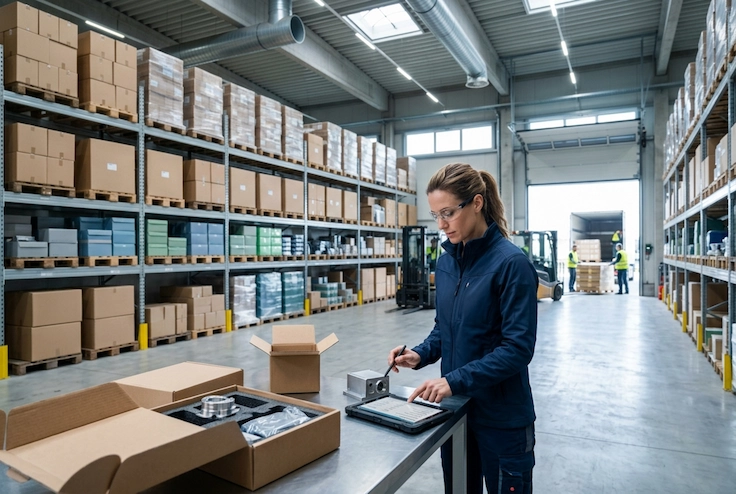

Here are the 10 Key Benefits of International Trading
1. Access to New Markets
One of the biggest advantages of international trade is the opportunity to reach new markets. A business that operates only in one country is limited by the size and demand of that market. When the company expands internationally, it can introduce its products or services to customers in different regions.
For example, a wholesale business may find that a product with moderate demand in its home market has much stronger demand in another country. Entering that market can create an additional source of revenue.
International markets can also provide opportunities to serve different customer groups. Businesses can study local demand and adapt their products, pricing, packaging, or sales approach according to market needs. The key is to choose markets carefully rather than trying to enter too many countries at once.
2. Increase Revenue Opportunities
International markets can give businesses access to a larger customer base, which can create additional sales opportunities.
A company may reach a point where its domestic market becomes highly competitive or has limited room for further growth. Expanding into other countries can provide new opportunities to sell existing products. This does not mean every international market will automatically be profitable. Businesses still need to research demand, competition, shipping expenses, taxes, regulations, and other costs.
When these factors are properly evaluated, international sales can become an important part of a company’s overall revenue strategy. For growing companies, having customers in different markets can also provide more opportunities to develop long-term commercial relationships.
3. Find Better Suppliers and Products
International trading is not only about selling products overseas. Businesses can also benefit from sourcing products, materials, and intermediate goods from international suppliers.
Different countries have different strengths in manufacturing, production, technology, raw materials, and wholesale supply. Exploring global suppliers can therefore give businesses access to products that may not be easily available in their local market.
A company may find suppliers offering better product quality, greater production capacity, competitive pricing, or specialized products. However, price should not be the only consideration when selecting an overseas supplier. Businesses should also evaluate reliability, quality standards, communication, production capabilities, delivery times, and responsible sourcing practices.
Building relationships with dependable suppliers can make the overall supply chain more stable.
4. Diversify Business Risks
Depending too heavily on one market can create risks for a growing company.
Changes in customer demand, economic conditions, regulations, competition, or supply availability in one country can affect business performance.
Operating across multiple markets can help spread some of these risks.
For example, if demand slows in one market, sales from another market may help maintain overall business activity. Similarly, sourcing products from more than one country can reduce dependence on a single supplier or supply route.
This does not remove business risk completely. Instead, it gives companies more flexibility when market conditions change.
One of the important Benefits of International Trading is therefore the ability to build a more diversified business structure.
5. Improve Business Competitiveness
International markets can encourage companies to become more competitive.
When a business enters global markets, it may face companies with different pricing strategies, technologies, product standards, and customer service approaches. This competition can encourage businesses to improve their own operations.
Companies may begin looking for ways to:
- Improve product quality
- Reduce unnecessary costs
- Improve delivery times
- Strengthen customer service
- Introduce new products
- Improve supplier management
- Use technology more effectively
International exposure can therefore encourage businesses to identify weaknesses and improve their overall performance.
A company that learns to compete successfully across borders may also become stronger in its domestic market.
6. Build Strong International Business Relationships
Successful global trade depends on relationships.
Businesses may work with suppliers, wholesalers, distributors, logistics providers, manufacturers, agents, and customers in different countries. These connections can become valuable commercial relationships over time.
A reliable international partner can provide market knowledge, product information, supply support, and opportunities for future collaboration.
Strong relationships are particularly important when dealing with wholesale and intermediate products, where businesses may depend on consistent product availability and reliable delivery.
Building these relationships takes time. Clear communication, transparent commercial terms, consistent quality, and professional business practices can help establish trust between international partners.
7. Access a Wider Range of Products
Global trade gives businesses access to products and materials from different parts of the world.
This can be especially useful for companies that need specific intermediate products, raw materials, components, or wholesale goods for their operations.
Instead of relying entirely on products available locally, businesses can explore international supply networks and compare different options.
A wider product range can also help companies respond to changing customer needs. If customers are looking for a particular product or specification, international sourcing may provide more options.
Businesses should still carry out proper supplier checks before purchasing internationally. Product quality, certifications, specifications, packaging, shipping conditions, and delivery schedules should all be clearly understood.
8. Benefit From Different Market Conditions
Every market has its own economic environment.
Prices, demand levels, production capabilities, consumer preferences, and availability can vary from one country to another. International trade allows businesses to explore these differences and identify suitable commercial opportunities.
For example, a product that is expensive or difficult to source in one market may be more readily available in another. Similarly, a product with limited demand in one region may have stronger demand elsewhere.
Understanding these differences can help businesses make more informed sourcing and sales decisions.
However, companies should not make decisions based solely on price differences. Shipping, customs duties, currency changes, insurance, compliance requirements, and other costs can affect the final value of an international transaction.
9. Support Long-Term Business Growth
International trading can become an important part of a company’s long-term growth strategy.
A business may begin with a small number of international orders and gradually develop a broader network of customers and suppliers. As experience increases, the company can improve its processes and explore additional markets.
This gradual approach is often more practical than expanding aggressively into many countries at once.
Businesses can start by testing one market, learning about customer expectations, measuring costs, and reviewing results. If the opportunity proves successful, they can then expand further.
Over time, international operations can become a stable part of the business rather than simply an occasional source of overseas sales.
The Benefits of International Trading become more valuable when global operations are supported by reliable systems, strong relationships, and consistent planning.
10. Encourage Innovation and New Opportunities
Working with international businesses can expose companies to new ideas, technologies, products, and ways of working.
A business may discover new approaches to packaging, manufacturing, distribution, customer service, or supply chain management through its international relationships.
Global markets can also reveal new business opportunities that may not have been considered previously.
For example, conversations with an overseas customer may identify demand for a new product. A relationship with an international supplier may introduce a company to a different product category. A logistics partner may provide a more efficient way to reach a particular market.
This exchange of ideas can encourage businesses to adapt and innovate.
What Businesses Should Consider Before Entering International Markets
Although there are many Benefits of International Trading, global expansion should not be approached without preparation.
Before entering a new market, businesses should research the country’s demand, competition, regulations, import requirements, customs procedures, currency, logistics options, and business culture.
It is also important to understand the complete cost of an international transaction. The purchase price of a product is only one part of the calculation. Transportation, insurance, duties, taxes, storage, documentation, and other charges may affect the final cost.
Supplier verification is equally important. Businesses should work with partners that can meet agreed quality and delivery requirements.
Clear contracts and payment terms can also reduce misunderstandings between international parties.
The Importance of Reliable Trading Partners
Managing international supply activities can become complicated as a business grows.
Companies may need to coordinate suppliers, product sourcing, documentation, transportation, wholesale orders, and delivery across different countries.
Working with an experienced trading partner can make these processes easier to manage.
Miranova Limited is an Ireland-based trading and wholesale company specializing in the sourcing and supply of intermediate products for international markets. The company focuses on supplier relationships, responsible sourcing, trade coordination, and reliable commercial supply solutions.
By connecting sourcing and supply requirements with international trade coordination, a dependable trading partner can help businesses manage their global supply needs more efficiently.
Conclusion
There are many Benefits of International Trading for businesses that are ready to explore opportunities beyond their domestic market. From reaching new customers and finding international suppliers to diversifying risk and building valuable business relationships, global trade can support different stages of business development.
However, successful international expansion requires more than simply finding overseas buyers or suppliers. Businesses need proper market research, reliable partners, efficient logistics, clear communication, and an understanding of international trade requirements.
The best results usually come from a steady and well-planned approach. Businesses can start with carefully selected markets, develop reliable supplier and customer relationships, learn from their international operations, and expand gradually.
With the right strategy and dependable commercial relationships, international trading can become a valuable part of a growing company’s long-term business plan.